I work at the intersection of occupational therapy,
adult education, and leadership.
Founder & Program Director of OTs Gone Rogue
Host of the OTs Gone Rogue Podcast
What began as a passion project over 10 years ago has evolved into a full learning ecosystem for OTs moving beyond direct service and into leadership, program development, and entrepreneurship.
If you’re someone who enjoys the fuller narrative—how one chapter led to the next, and how OTs Gone Rogue took shape—keep reading. My journey weaves through pediatrics, women’s health, curriculum design, coaching, and entrepreneurship.
I work at the intersection of occupational therapy,
adult education, and leadership.
Founder & Program Director of OTs Gone Rogue, Host of the OTs Gone Rogue Podcast
What began as a simple passion project over a decade ago has evolved into a community and learning platform for OTs who want to move beyond direct service—and into leadership, education, and program development.
If you’re someone who loves the deeper story, keep scrolling and you’ll find it below.
How it started → How it changed → How it became OTs Gone Rogue.
From Pediatric Therapist to Educator
Family-Centered, Rural-Practicing, Pediatric-Focused
I never planned to build a business, let alone lead an international community of therapists exploring entrepreneurship, leadership, and program development.
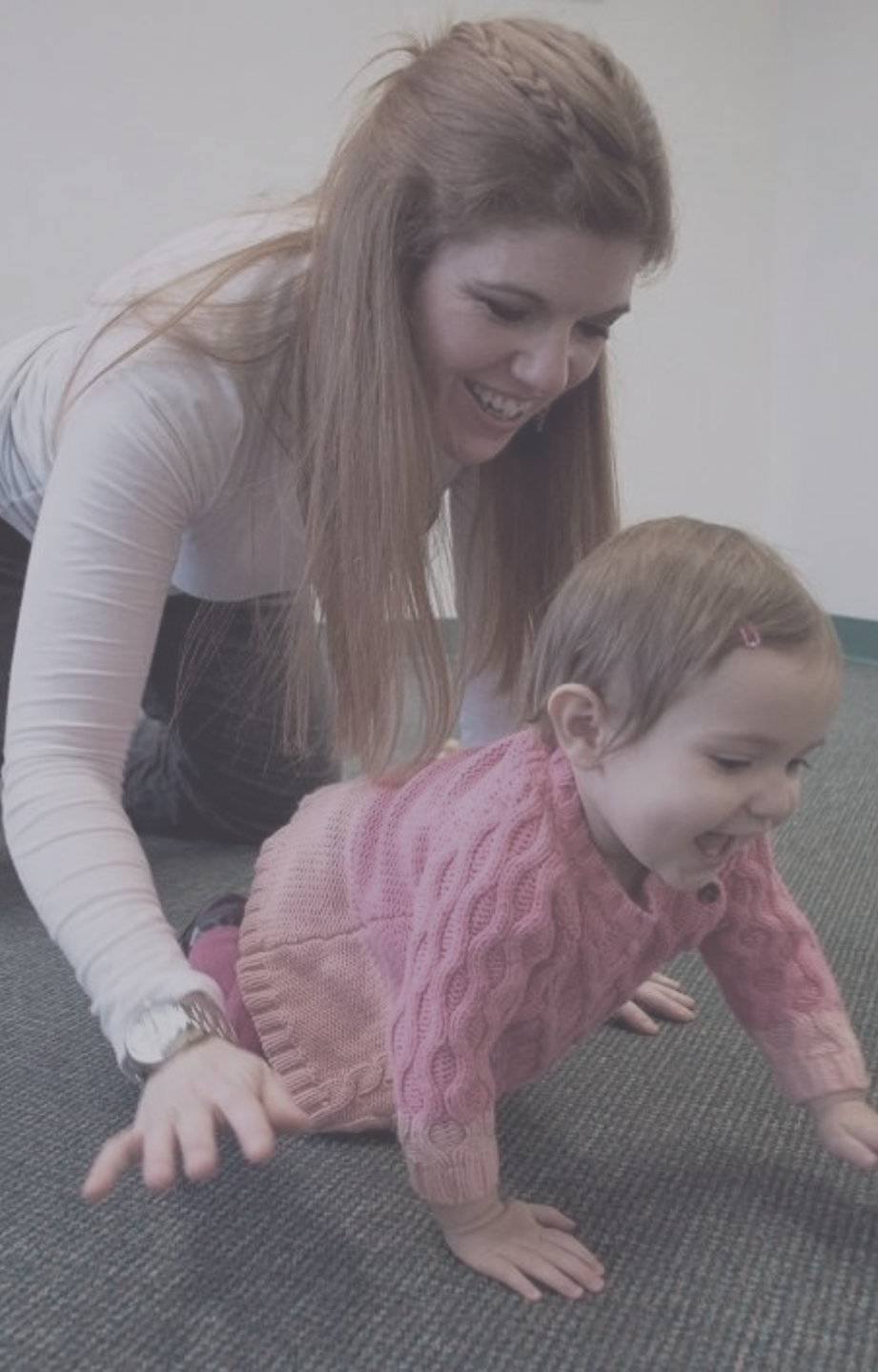
My career began in pediatrics—supporting children, families, and schools in rural settings, and learning what it meant to make an impact, one child at a time.
I loved the depth of early intervention work, but I eventually began to see the limitations of systemic gaps, long waitlists, and fragmented public service delivery models.
That realization led me to education as a broader pathway to impact. What began as creating handouts, parent workshops, and tools for educators eventually expanded into learning experiences that supported not only women, children, and families, but also the therapists working alongside them.
Looking back, that was the beginning of designing learning experiences—not just to deliver information, but to empower others to provide meaningful work at scale.
From Pediatric Therapist to Educator
Family-Centered, Rural-Practicing, Pediatric-Focused
My career began in pediatrics—supporting children, families, and schools in rural settings, and learning what it meant to make an impact, one child at a time.
I loved the depth of early intervention work, but I eventually began to see the limitations of systemic gaps, long waitlists, and fragmented public service delivery models.
That realization led me to education as a broader pathway to impact. What began as creating handouts, parent workshops, and tools for educators eventually expanded into learning experiences that supported not only women, children, and families, but also the therapists working alongside them.
Looking back, that was the beginning of designing learning experiences—not just to deliver information, but to empower others to provide meaningful work at scale.

When Everything Changed
Training for Delivery and Postpartum Recovery
Although I had a strong foundation in brain development and women’s health, nothing fully prepared me for how proactive I needed to be during pregnancy and postpartum recovery. I didn’t want to simply survive childbirth—I wanted to train for it, recover well, and feel strong in the process.
I quickly realized how difficult it was to find evidence-based prenatal and postnatal support focused on core health and well-being. That kind of programming simply wasn’t available in rural communities, even when I was willing to invest privately.
So I drew on my clinical training to build my own pathway—researching options, integrating rehabilitation principles, and applying what I knew about neurological development to create a proactive plan for recovery.
When Max was still an infant, I resigned from my early intervention role and stepped into what I call my personal women’s health sabbatical—deepening my training and sketching the early versions of what would later become Strong Beginnings.
I didn’t have entrepreneurial experience, but I had conviction, curiosity, and a belief that if I needed this level of support, other women did too.
When Everything Changed
Training for Delivery and Postpartum Recovery
Although I had a strong foundation in brain development and women’s health, nothing fully prepared me for how proactive I needed to be during pregnancy and postpartum recovery. I didn’t want to simply survive childbirth—I wanted to train for it, recover well, and feel strong in the process.
I quickly realized how difficult it was to find evidence-based prenatal and postnatal support focused on core health and well-being. That kind of programming simply wasn’t available in rural communities, even when I was willing to invest privately.
So I drew on my clinical training to build my own pathway—researching options, integrating rehabilitation principles, and applying what I knew about neurological development to create a proactive plan for recovery.
When Max was still an infant, I resigned from my early intervention role and stepped into what I call my personal women’s health sabbatical—deepening my training and sketching the early versions of what would later become Strong Beginnings.
I didn’t have entrepreneurial experience, but I had conviction, curiosity, and a belief that if I needed this level of support, other women did too.
How Strong Beginnings Was Born
Turning lived experience into meaningful learning for others
Strong Beginnings began as my first business venture—a boutique women’s health practice that blended therapy, consulting, and cash-based wellness services. What I initially pieced together for my own prenatal preparation and postpartum recovery soon evolved into a structured pathway for other women—a program focused on preparing for delivery, supporting core and pelvic health during recovery, and applying brain-based regulation principles to influence both maternal well-being and early infant development.
How Strong Beginnings Was Born
Turning lived experience into meaningful learning for others
Strong Beginnings began as my first business venture—a boutique women’s health practice that blended therapy, consulting, and cash-based wellness services.
What I initially pieced together for my own prenatal preparation and postpartum recovery soon evolved into a structured pathway for other women—a program focused on preparing for delivery, supporting core and pelvic health during recovery, and applying brain-based regulation principles to influence both maternal well-being and early infant development.
Mom-preneurship in Real Time
Growing a scalable business, one season at a time
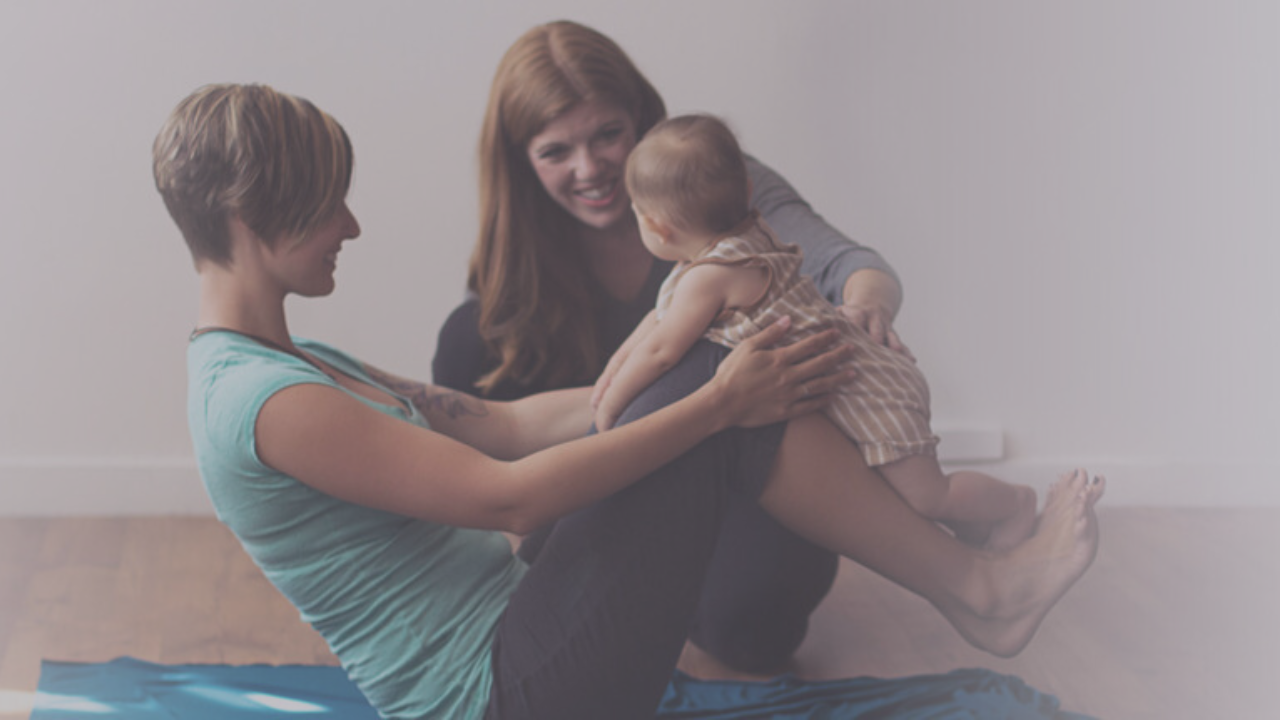
Launching Strong Beginnings while raising a toddler was one of the hardest things I’ve ever taken on. I began offering cash-based wellness services—mom-and-baby groups, prenatal support, recovery sessions for c-section births, and couples-based “Train for Delivery” consultations. Everything was manual, hands-on, and community-based, but it was also deeply meaningful work.
As I expanded in women’s health, I pursued advanced training in restorative exercise and functional movement. I changed my own daily patterns—ditching shoes whenever possible, spending more time on the floor, and hanging from playground structures—integrating what I was learning into real motherhood. Over time, I gained confidence not only as a new mother, but as a women’s health therapist with a focus on functional strength and restorative movement.
Mom-preneurship in Real Time
Growing a scalable business, one season at a time
Launching Strong Beginnings while raising a toddler was one of the hardest things I’ve ever taken on. I was offering cash-based wellness services—mom-and-baby groups, prenatal support, recovery sessions for c-section births, and couples-based “Training for Delivery” packages. Everything was manual, hands-on, and community-based, but it was also deeply meaningful work.
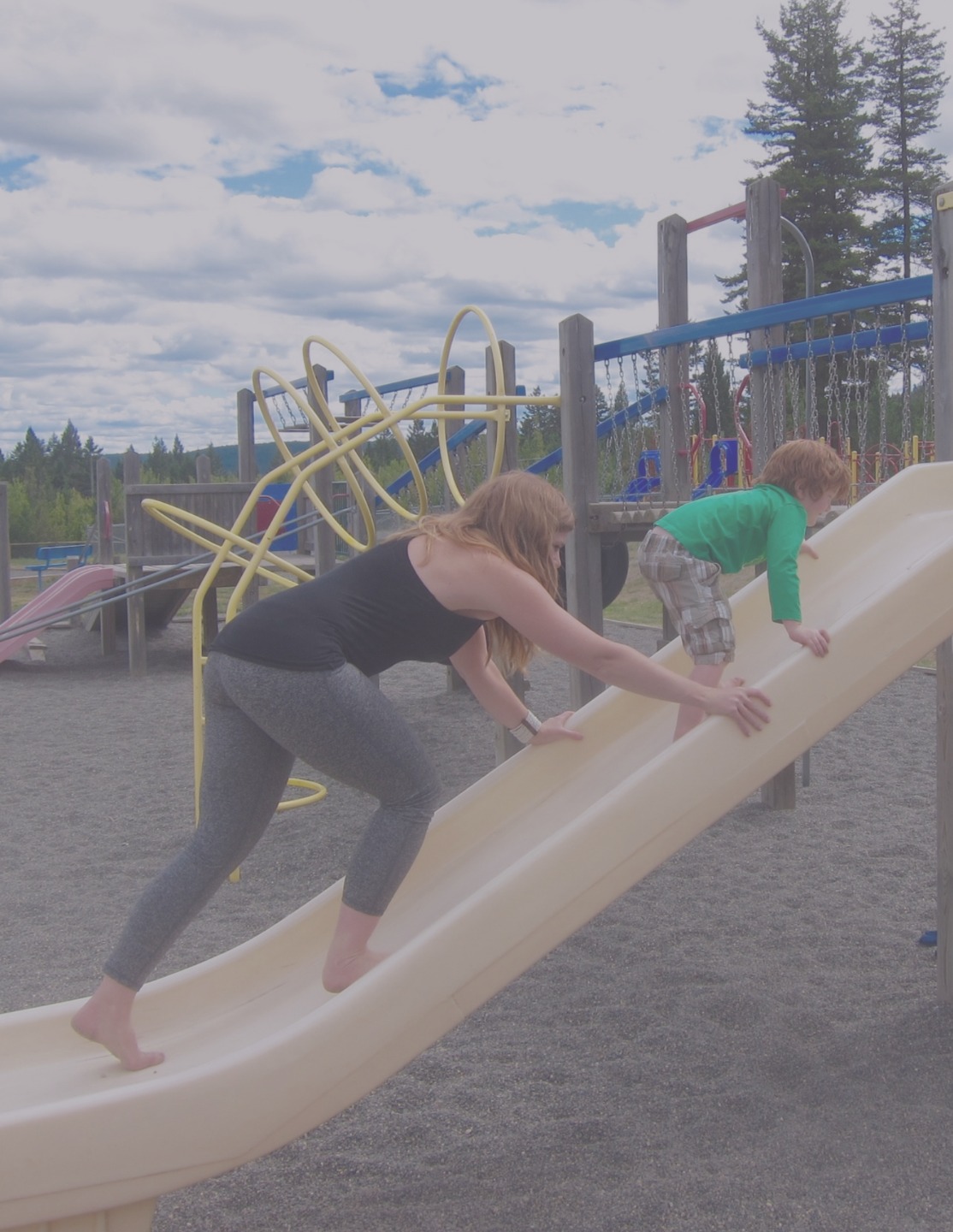
As I expanded in women’s health, I pursued advanced training in restorative exercise and functional movement. I changed my own daily patterns—ditching shoes whenever possible, spending more time on the floor, and hanging from playground structures—integrating what I was learning into real motherhood. Over time, I gained confidence not only as a new mother, but as a women’s health therapist with a focus on functional strength and restorative movement.

The Shift Into Digital Learning Formats
Finding new ways to teach, learn, and stay connected
Working from home with Max beside me—and living in a small town without much support—forced me to rethink how I could stay connected professionally. I wanted to continue facilitating workshops and retreats, and I was eager for advanced continuing education, but travel simply wasn’t realistic during those early years of motherhood. I was craving connection with other OTs, yet geography and limited access made it difficult.
So I turned to digital learning. In 2015, I launched my first online course for occupational therapists focused on an integrative approach to perinatal health. It was vulnerable, exciting, and completely new territory—but it showed me what was possible. And that experience quietly shifted the direction of my work.
The Shift Into Digital Learning Formats
Finding new ways to teach, learn, and stay connected
Working from home with Max beside me—and living in a small town without much support—forced me to rethink how I could stay connected professionally. I wanted to continue facilitating workshops and retreats, and I was eager for advanced continuing education, but travel simply wasn’t realistic during those early years of motherhood. I was craving connection with other OTs, yet geography and limited access made it difficult.
So I turned to digital learning. In 2015, I launched my first online course for occupational therapists focused on an integrative approach to perinatal health. It was vulnerable, exciting, and completely new territory—but it showed me what was possible. And that experience quietly shifted the direction of my work.
What Started as a Podcast
An experiment in storytelling and mentorship
As my work expanded, I began connecting with therapists who were questioning traditional service delivery—developing online programs, running cash-based workshops, or exploring coaching, but with few places to learn from one another.
Those conversations led to the creation of the OTs Gone Rogue podcast.
It began as an experiment—part storytelling, part mentorship, part honest reflection on what it meant to be entrepreneurial in a role-emerging area of practice. What started as a broadcast quickly became a gathering place.
As the episodes unfolded, the questions evolved. It was no longer only How do I start? but—
How do I align this with my values?
How do I build systems that support wellbeing?
How do I design offers that are ethical, relational, and sustainable?
I realized I wasn’t simply sharing ideas—I was providing clarity, direction, and structure.
And that’s how OTs Gone Rogue evolved—from a podcast into a movement—
a place where therapists could explore possibility, expand identity, and step into entrepreneurship with confidence.
What Started as a Podcast
An experiment in storytelling and mentorship
As my work expanded, I began connecting with therapists who were questioning traditional service delivery—developing online programs, running cash-based workshops, or exploring coaching, but with few places to learn from one another.
Those conversations led to the creation of the OTs Gone Rogue podcast.
It began as an experiment—part storytelling, part mentorship, part honest reflection on what it meant to be entrepreneurial in a role-emerging area of practice. What started as a broadcast quickly became a gathering place.
As the episodes unfolded, the questions evolved. It was no longer only How do I start? but—
How do I align this with my values?
How do I build systems that support wellbeing?
How do I design offers that are ethical, relational, and sustainable?
I realized I wasn’t simply sharing ideas—I was providing clarity, direction, and structure.
And that’s how OTs Gone Rogue evolved—from a podcast into a movement—
a place where therapists could explore possibility, expand identity, and step into entrepreneurship with confidence.

The Heart of My Work Today
Turning conversations into guided learning experiences
As the podcast community grew, the conversations shifted from inspiration into implementation. Therapists didn’t just want ideas—they wanted structure, guidance, and clarity around how to build offers, programs, and pathways that actually worked.
That shift transformed OTs Gone Rogue from a podcast into a learning platform—one where clinicians could move from ideas into real offers, from knowledge into execution, and from clinician identity into educator or leader roles.
Today, my work sits at the intersection of adult education, entrepreneurship, and leadership. I design programs, support implementation, and help therapists build meaningful and sustainable pathways that reflect their values, lived experiences, and nervous system capacity.
That includes curriculum design, program strategy, and teaching the systems and practices that support growth—within learning environments designed to foster accountability, clarity, and confidence.
The Heart of My Work Today
Turning conversations into guided learning experiences
As the podcast community grew, the conversations shifted from inspiration into implementation. Therapists didn’t just want ideas—they wanted structure, guidance, and clarity around how to build offers, programs, and pathways that actually worked.
That shift transformed OTs Gone Rogue from a podcast into a learning platform—one where clinicians could move from ideas into real offers, from knowledge into execution, and from clinician identity into educator or leader roles.
Today, my work sits at the intersection of adult education, entrepreneurship, and leadership. I design programs, support implementation, and help therapists build meaningful and sustainable pathways that reflect their values, lived experiences, and nervous system capacity.
That includes curriculum design, program strategy, and teaching the systems and practices that support growth—within learning environments designed to foster accountability, clarity, and confidence.