Occupational therapy is where this started.
It was never meant to be where it stops.
OTs Gone Rogue was built on a simple belief: Your professional identity doesn't have to be limited to a role, setting, or pathway someone else has already defined.
We believe occupational therapists can use their expertise to create work that reflects who they are, what matters to them, and the impact they want to have.
Going rogue is about having the agency to make those choices for yourself — about your work, your direction, and the person you're becoming.

Born from candid conversations
and shared experiences.
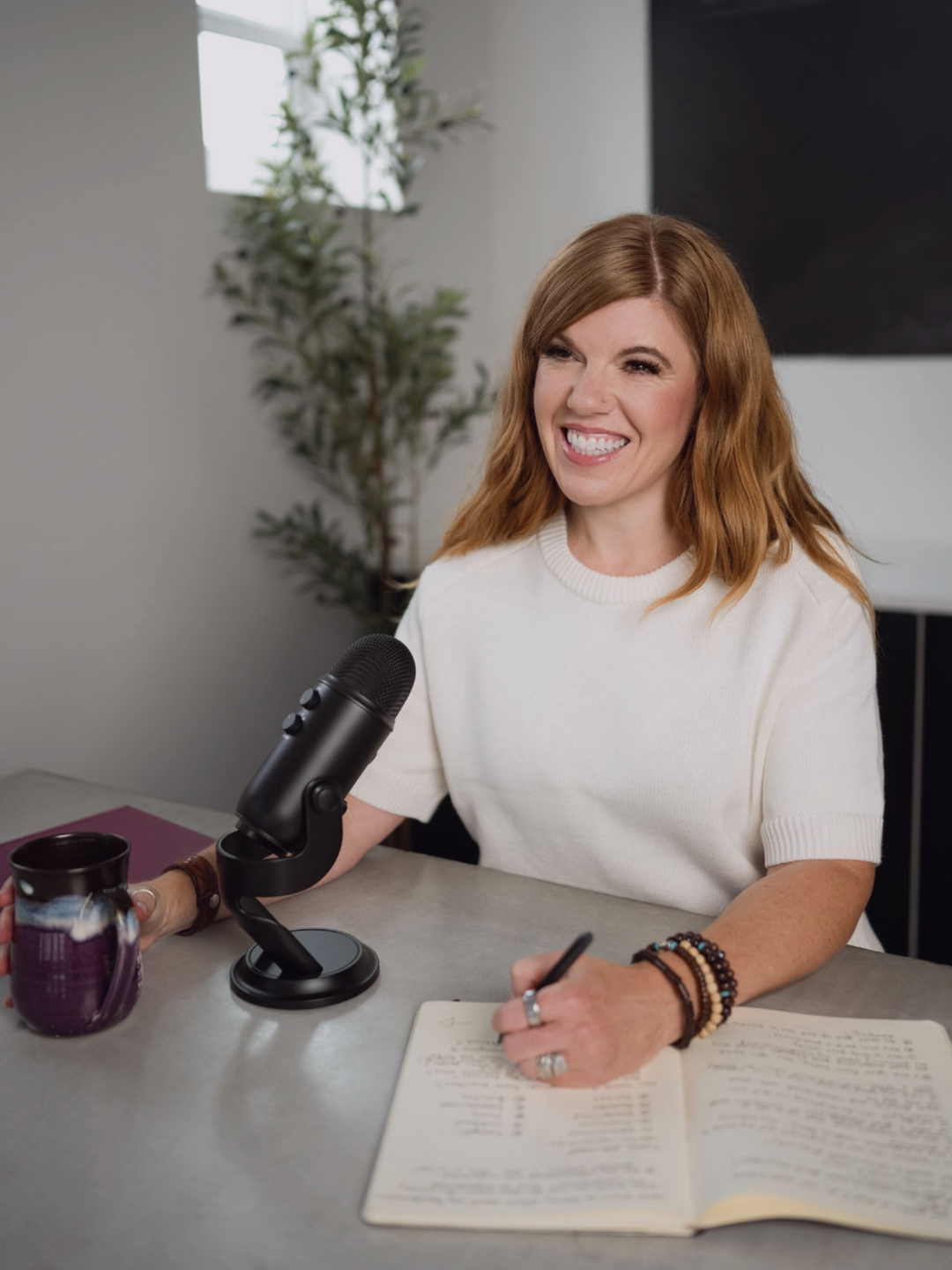
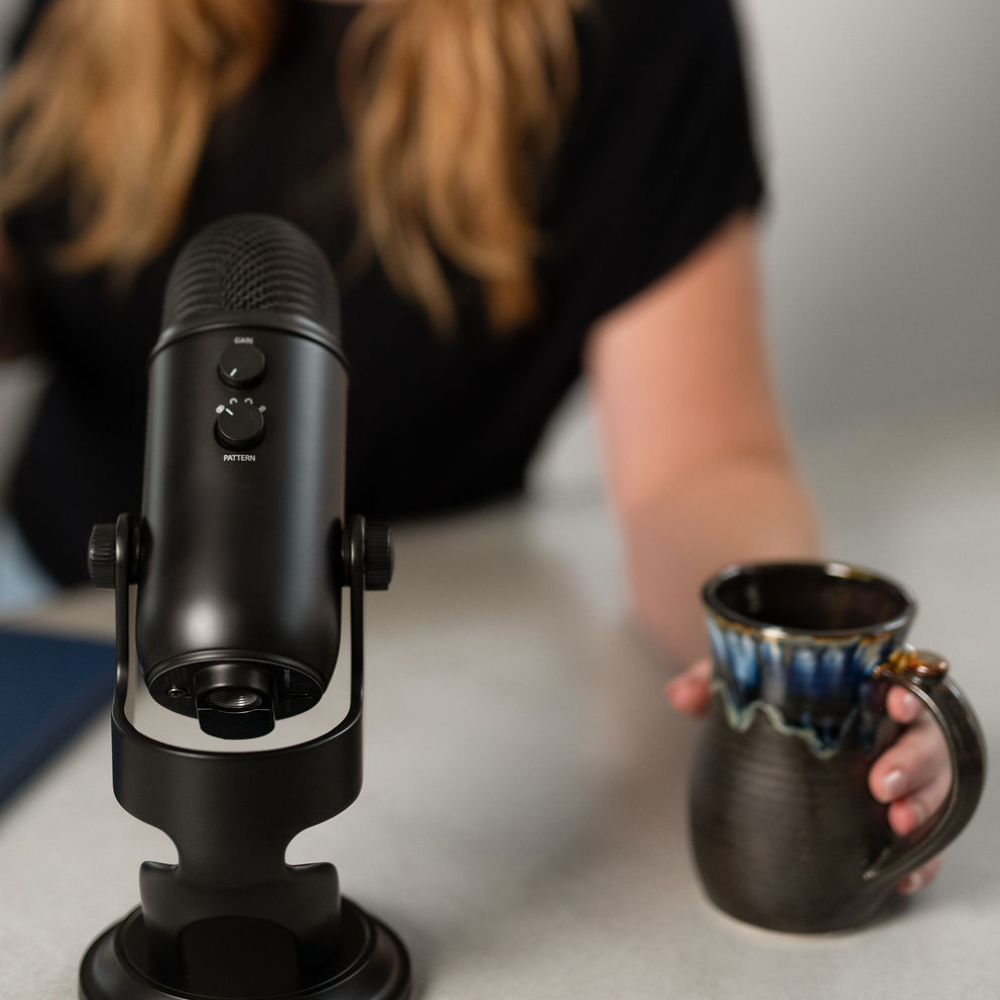
OTs Gone Rogue began as a podcast — a space for storytelling, honest interviews, and shared reflection.
For founder and host Melissa LaPointe, it was a way to ask difficult questions about how we practice — and to shine a light on the many ways occupational therapists are expanding their influence through education, entrepreneurship, community leadership, and program development.
From Podcast to Platform
Over time, one theme kept emerging: therapists were rethinking how they wanted their work to look — and they were looking for guidance on how to get there.
Listeners wrote in to share how an episode had shifted their thinking, given them confidence to try something new, or prompted questions about how to price an offer, design a program, or navigate a shift in direction.
What began as a podcast gradually became something more — a platform where therapists could learn through reflection, conversation, and practical insight. That's what OTs Gone Rogue is today.
OTs Gone Rogue began as a podcast, a space for honest conversations with OTs who were questioning, experimenting, and finding their own ways forward.
The stories were different, but a common thread kept emerging. It became clear that going rogue wasn't about following a different path, it was about developing the confidence and agency to create your own.
From Podcast to Ecosystem
As the podcast grew, listeners began reaching out with questions of their own, looking for help in turning their ideas into something real. Over time, OTs Gone Rogue expanded from a podcast into an ecosystem where occupational therapists can explore new possibilities, strengthen their leadership, and learn alongside others navigating their own version of Going Rogue.
Entrepreneurship is one expression of that, not the definition of it. Having the agency to decide what your work looks like might mean creating a program, coaching or consulting, or leading a team. The point isn't finding the one right path. It's staying willing to change it when it no longer fits.
Going rogue isn't about abandoning the profession. It's about stepping into work that aligns with your strengths, values, and lived experience — and contributing in ways that go beyond traditional service delivery.
What Guides Our Work
How we support occupational therapists matters just as much as what we teach. These values shape the programs we create, the conversations we have, and the kind of ecosystem we’re building together.
CONNECTION. Growth doesn't happen in isolation. We learn through conversation, reflection, and shared experience, especially with people who understand the questions you're asking.
GENERATIVITY. What we learn can create opportunities for others. Knowledge and leadership become more powerful when they're shared, rippling outward into the people you serve, your teams, and the profession itself.
SUSTAINABILITY. Meaningful work should coexist with a meaningful life. We build programs, businesses, and careers that can adapt through changing seasons of capacity and ambition, without requiring chronic overextension.
AGENCY. You get to decide what comes next. Our role isn't to prescribe the path. It's to help you develop the perspective and capability to make intentional choices about your own.
INTEGRITY. The way we create impact matters. We lead thoughtfully, communicate honestly, and make promises we can stand behind, staying connected to the principles that brought us to occupational therapy in the first place.
What We Stand For
OTs Gone Rogue is shaped by a set of values that guide how we teach, support therapists, and design learning experiences.
Connection: Change doesn’t happen in isolation. We believe learning is relational—built through conversation, shared experiences, and being witnessed in our growth. Support, honest dialogue, and community matter.
Sustainability: We help therapists design work that supports their real lives. That includes systems that reduce decision fatigue, structures that protect capacity, and ways of working that minimize burnout rather than fuel it.
Freedom: We believe therapists should have agency over their careers and financial futures. Whether that means location independence, a different business model, or more flexible service delivery, freedom includes options—not just obligations.
Integrity: We value clear decision-making, ethical pricing, and work that genuinely supports transformation. Because when therapists are well-resourced — financially, emotionally, and structurally — their impact grows.
Generativity: Knowledge becomes more powerful when it's shared. We design programs and conversations that ripple outward — reaching not just the learner, but the communities and clients they serve.

About Our Founder, Melissa LaPointe
I didn't set out to become an entrepreneur or build a business around the idea of Going Rogue. Throughout my career, I was drawn to the places where the existing options didn't quite fit, and I wanted to understand why, and what could be created instead. That curiosity shaped my path through clinical practice in women's health, program development, entrepreneurship, and more recently, adult education.
In 2015, I launched my first online course for occupational therapists. That work evolved into business coaching and a membership, and through it, I kept meeting more OTs who were asking similar questions about their own careers. That's what led me to create the podcast, and later the education, mentorship, and community that became OTs Gone Rogue. I don't believe there's one right way to build a career or business. I believe occupational therapists are capable of making thoughtful, ambitious choices about what they want to create, how they want to lead, and what they want their work to make possible.
My role continues to change alongside OTGR. I'm still learning, questioning, and figuring out what the next version of this work asks of me.
Read More of My Story >>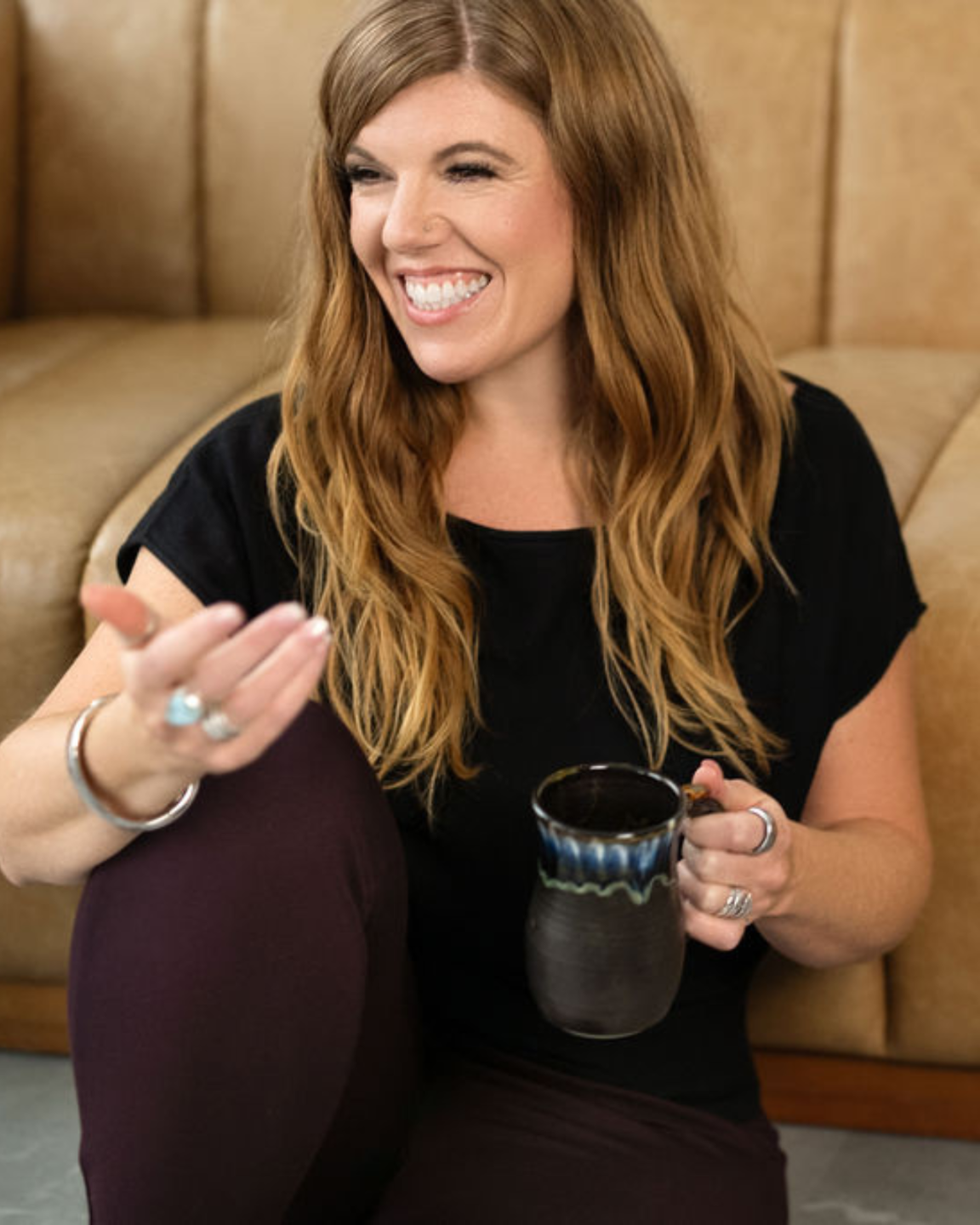
About Our Founder
Melissa LaPointe
I founded OTs Gone Rogue after two decades working across clinical practice, program development, adult education, and consulting — and a growing sense that the profession had more to offer than traditional models were allowing.
My work has always centred on helping therapists build offers, programs, and roles that reflect their actual strengths — not just what the system has available.
I bring together curriculum design, systems thinking, and values-centered leadership, with a focus on sustainability and practical execution.
Beyond the podcast, I provide education and mentorship for OTs who are
ready to expand their work into entrepreneurship, program delivery,
or leadership. If you're here, you're probably already thinking differently about what's possible — and I'd love
to be part of that journey.
JOIN OUR COMMUNITY OF 2000+ THERAPISTS
Rogue Insiders
The inside track for OTs doing things differently.
The conversations, ideas, and strategies that your OT training didn't prepare you for — and the community that gets it.
STAY CONNECTED WITH OUR NEWSLETTER
Going Rogue is an ongoing conversation about the work we're creating,
the questions we’re asking, and who we’re becoming along the way.
Join us for ideas, resources, and conversations that help you think differently about
your work, navigate what comes next and stay connected to what's possible.